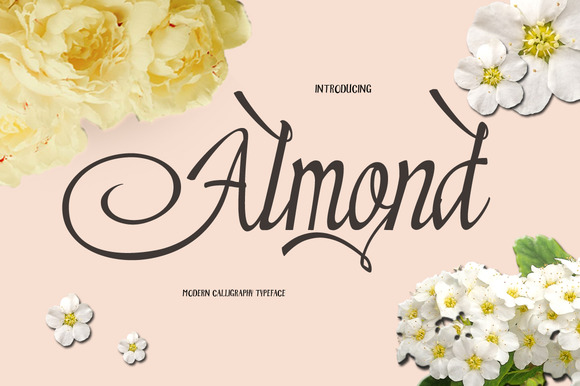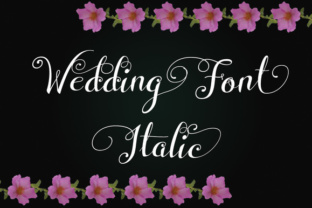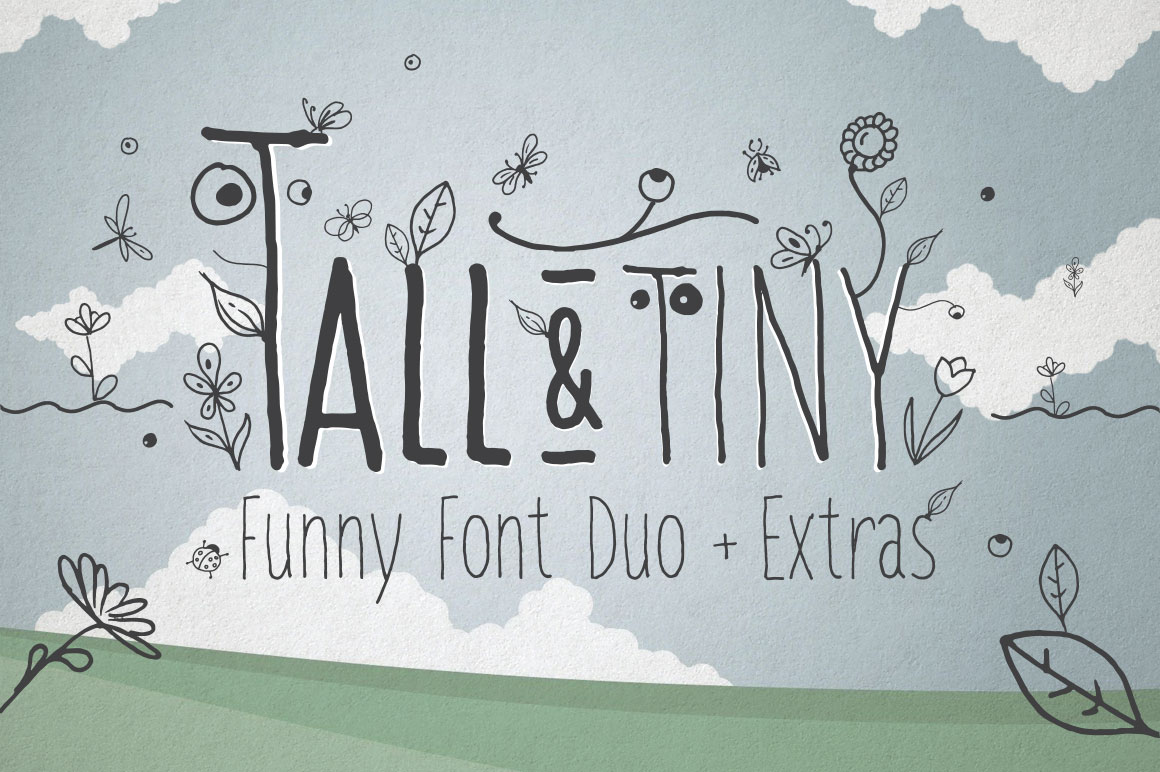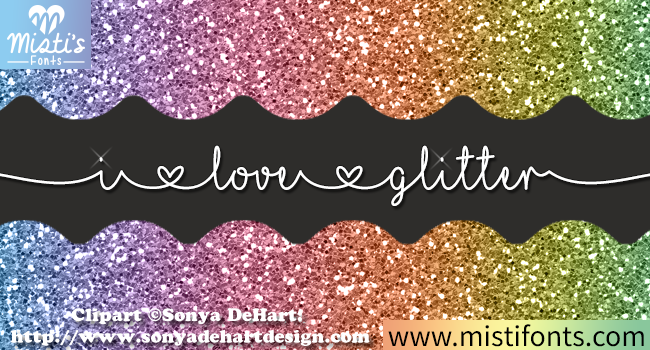
Bluebonnet Font for Charming Handmade Creations
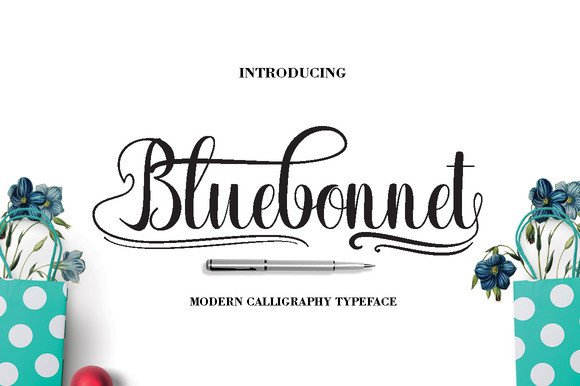
I was recently designing a new line of seasonal candle labels, and I knew the text had to feel warm and inviting. That’s when I opened my font library and found Bluebonnet, a stunning Script Handwritten font that exudes charm and elegance. As a maker who focuses on small-batch products with personality, this font instantly caught my eye. It brought an organic, artistic touch that felt just right for a product designed to create ambiance and evoke emotion.
Bluebonnet for Wedding Invitations and Elegant Branding
Bluebonnet has become my go-to Fonts choice for wedding invitations. Its decorative script style, complete with flowing flourishes and ligatures, gives each design a sense of sophistication without feeling overdone. When I paired it with a soft watercolor background and gold foil accents, the final result looked like something straight from a high-end boutique. The attention to detail in the swashes makes every name or phrase feel unique, which is perfect for couples wanting their stationery to reflect their personal style.
For branding purposes, Bluebonnet works beautifully as a signature typeface for logo design or brand headers. It adds a handcrafted feel to shop titles, packaging wraps, and even social media banners. Just remember to test how it looks at different sizes — while it shines in display use, it may not be ideal for very small text such as pricing tags or fine print.
Using Bluebonnet in Boutique Packaging Design
When creating custom packaging for a small clothing boutique, I wanted the labels to feel exclusive and artisanal. I chose Bluebonnet for the fabric tags and gift wrap headers. The natural flow of the Script Handwritten strokes gave the packaging a personal touch, making customers feel like they were opening something special. I also made sure to check the included alternates and ligatures so the typography matched the brand's overall identity across all materials.
It’s important to consider Fonts readability in physical applications. For smaller packaging tags, I used a bolder weight and simplified the flourishes slightly to ensure clarity. Always review the commercial font licensing if you’re planning to sell your creations — knowing what you can and cannot do with the font helps avoid any legal hiccups later on.
Bluebonnet for Greeting Cards and Seasonal Printables
During the holidays, I always create a batch of greeting cards to add to my Etsy shop. This year, I reached for Bluebonnet again. Its whimsical curves and delicate lines are perfect for festive designs, especially when paired with vintage-style illustrations or holiday motifs. Whether it's "Merry Christmas" or a personalized thank-you note, the Script Handwritten character of the font elevates the message into something heartfelt and beautiful.
Because Bluebonnet is a decorative Fonts, it works best for short phrases or names rather than large blocks of text. I’ve found it pairs well with a clean sans serif font for body copy, keeping the layout balanced and easy to read. For digital printables, I used Bluebonnet in the header of a farmhouse-style holiday wall art template, letting the swooping letters draw the eye before supporting details filled in the rest of the design.
Bluebonnet in Planner Pages and Wall Art Mockups
As someone who loves editorial design, I often work with planners and calendars. I discovered that using Bluebonnet in monthly headers added a creative flair that users loved. I tested several versions with varying levels of flourish intensity to match the tone of each section — some pages felt romantic and elegant, while others leaned more rustic and cozy. The ability to customize the look with alternate characters made it feel like a truly bespoke Fonts experience.
When preparing mockups for printable wall art, I noticed how Bluebonnet stood out against simple backgrounds. A minimalist frame with subtle texture really let the font shine. I recommend testing your design in both color and black-and-white to see how the Script Handwritten elements hold up in different contexts. This helps when considering where and how your printables might be displayed by customers.
Bluebonnet for Farmhouse Signs and Merchandise Designs
Farmhouse signs are one of my favorite handmade projects, and the right Fonts can make or break the aesthetic. I recently crafted a set of wooden welcome boards using Bluebonnet. The gentle curvature and soft contrast in stroke widths gave the sign a timeless, romantic feel. I paired it with a bold display font for secondary text, ensuring that the main message remained legible and impactful.
For merchandise like mugs, shirts, and tote bags, I often test the font in different weights and styles. With Bluebonnet, I found that using a lighter version for embroidery or heat transfer vinyl worked best. The intricate parts of the Script Handwritten font translate well into SVG-style designs, especially when using cutting machines like Cricut or Silhouette. Just keep in mind that the complexity of the flourishes may require more precision when working with certain materials.
Bluebonnet for Product Tags and Digital Template Previews
Product tags are a great place to showcase a Fonts personality, and Bluebonnet fits perfectly here. Whether labeling jars of homemade jam or adding a tag to a macramé wall hanging, the font brings a sense of craftsmanship and care. I love how it complements minimalistic layouts while still commanding attention. Each time I apply it, I get a little thrill seeing the design come together with such warmth and charm.
In digital downloads, I use Bluebonnet in preview images to give potential buyers a taste of the final product. Because many customers choose fonts based on visual appeal alone, having a strong, recognizable Script Handwritten typeface like Bluebonnet in your previews can help attract the right audience. Just be mindful of file formats — make sure your font files support the languages and platforms your customers might need.
Bluebonnet for Birthday Invitations and Shop Signage
Recently, I created a set of birthday invitations for a client’s daughter. They wanted something sweet yet stylish, and Bluebonnet delivered exactly that. The ligatures helped streamline the text, giving it a polished look while maintaining its handwritten charm. I layered it with floral borders and pastel colors to enhance the whimsy, and the client was thrilled with how it captured the event's joyful spirit.
Shop signage is another area where Bluebonnet excels. I redesigned my own shop’s entrance label using the font, and it transformed the space. The Script Handwritten style gave it a welcoming vibe, and passersby often stopped to admire the typography. For those who run pop-up shops or local boutiques, investing in a premium font like Bluebonnet can significantly improve perceived quality and brand recognition.
Font Pairing Tips with Bluebonnet
Pairing Bluebonnet with the right Fonts can elevate your design game. I’ve found success combining it with simple serif fonts for a classic balance or modern sans serifs for a fresh, contemporary twist. If you're going for a cohesive brand identity, stick to two or three complementary typefaces to maintain consistency across all your materials.
For example, I once designed a set of birthday stickers using Bluebonnet alongside a bold display font for the title. The contrast between the decorative script and the strong sans serif helped guide the viewer’s eye and added visual interest. I also made sure to include multilingual support in case my customer base expanded beyond English-speaking audiences.
Bluebonnet for Holiday Tags and Creative Branding
Holiday tags are a staple in my seasonal offerings, and Bluebonnet has quickly become a favorite. I used it for ornament labels, gift box tags, and even custom advent calendar numbers. The emotional appeal of the Script Handwritten font connects with customers in a way that standard Fonts never could. It feels personal, almost like a handwritten note, which is perfect for holiday gifting.
One of the things I appreciate most about Bluebonnet is its versatility in creative font applications. It can be playful for children’s items or refined for luxury packaging. I’ve also used it in web design for shop landing pages, where it helps establish a warm and trustworthy brand identity. Just don’t forget to optimize your listing images — clear, high-quality visuals featuring the font will speak volumes to potential buyers.
Bluebonnet for Small Stickers and Label Projects
Sticker sheets are a popular item among handmade sellers, and the right Fonts can make them stand out. I experimented with Bluebonnet for a collection of motivational quote stickers and found that it worked surprisingly well in small sizes. By simplifying the swashes and using a consistent baseline, I kept the text readable even on tiny surfaces. This makes it a reliable option for sticker creators looking to add a decorative yet functional element to their designs.
For product labels, I suggest using Bluebonnet in combination with a clean layout and ample white space. Too much detail around the Script Handwritten text can overwhelm the design, but when done right, it adds a professional finish. I always check the file formats included in the font package to ensure compatibility with my printing tools and software. Having access to various weights and styles means I can adapt the font to fit different label sizes and themes.
Bluebonnet for Modern Typography and Emotional Appeal
Modern typography doesn’t have to be cold or sterile. In fact, one of the most effective ways to connect with your audience is through expressive Fonts like Bluebonnet. Its hand-drawn quality invites a sense of intimacy, making it ideal for greeting cards, personalized gifts, and other emotionally driven products. I’ve seen it resonate particularly well with customers who value handmade aesthetics and thoughtful design.
Whether you're crafting for resale or personal use, the emotional impact of your type choices shouldn’t be underestimated. Bluebonnet has a certain je ne sais quoi — maybe it's the softness of the Script Handwritten curves, or the way the ligatures subtly tie words together. Either way, it adds a layer of storytelling to your products that can't be ignored.
Bluebonnet for Display Use and Visual Merchandising
Display use is where Bluebonnet truly shines. From store window signs to Instagram post headers, the font commands attention and sets the mood. I once used it in a photo shoot for a new line of planner inserts and found that the font’s presence in the listing images increased engagement. Customers were drawn to the soft, romantic letterforms, and many asked for specific details about the Fonts used in the templates.
Visual merchandising relies heavily on typography, and using a decorative Script Handwritten font like Bluebonnet can help your products stand out in a crowded market. Just be sure to test it in real-life conditions — sometimes what looks great on screen doesn’t translate well in print. I always create sample prints to assess color accuracy and spacing before launching a new product line.
Bluebonnet for Commercial Craft Sellers and Print Applications
If you're a commercial craft seller, selecting the right Fonts is essential. Bluebonnet offers a level of creativity that enhances everything from packaging to product tags. I've used it extensively in print applications, including card stock, kraft paper, and metallic finishes. Each time, the font maintained its charm and legibility, proving itself a valuable asset in the world of Script Handwritten typography.
Before selling anything with Bluebonnet, I double-check the licensing terms to confirm it supports commercial use. Many decorative Fonts have restrictions that aren’t immediately obvious, and understanding these ensures your business stays compliant. Once you’ve got the green light, let your creativity run wild — whether it’s for digital downloads, printed goods, or branded merchandise, Bluebonnet brings a touch of elegance to every project.