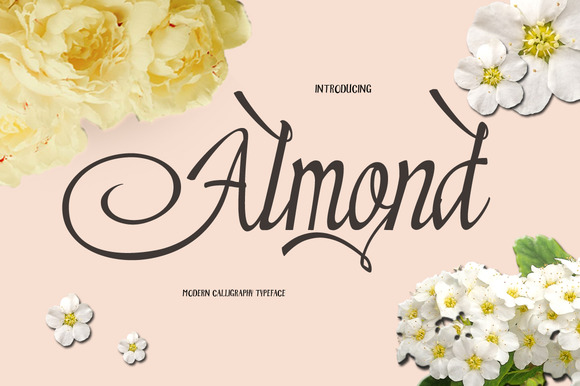
Almond Font: A Creative Typeface for Handmade and Print Designs
I was in the middle of preparing my seasonal candle labels when I realized something was missing. The design was warm, the colors were inviting, but the text just didn’t sing like the rest of it. That’s when I reached for Almond, a unique brush script font that immediately transformed my project into something special. As a handmade seller who values both aesthetics and practicality, I’ve come to appreciate how a well-chosen typeface can elevate the charm and professionalism of every product — especially when you're using Script Handwritten fonts like Almond.
Almond for Candle Labels and Product Packaging
There’s something about Almond that feels like a personal touch, even when you're mass-producing items. I recently used it on a batch of soy candles, and the handwritten flow of the brush strokes gave each label a soft, artisanal vibe. Unlike some Fonts that can look too delicate or inconsistent when printed at small sizes, Almond maintains its clarity and elegance on everything from tiny tags to large packaging boxes.
When crafting product labels, I always check the font's readability. Almond is perfect for short phrases — think “lavender,” “vanilla bean,” or “citrus burst” — where the emotional tone matters more than legibility in long blocks of text. Its modern calligraphy style adds a sense of warmth without being overly ornate, which makes it ideal for minimalist or rustic packaging designs.
Almond in Greeting Cards and Invitation Design
One of my favorite uses for Almond has been in greeting card layouts. Whether I’m designing birthday cards, thank-you notes, or holiday greetings, this script handwritten font brings a genuine, heartfelt feel to the message. It’s like writing with a fountain pen — smooth, expressive, and full of character.
For wedding invitations, I paired Almond with a clean sans serif Font for the body text. The contrast between the flowing script and the structured supporting text created a balanced yet romantic look. I also tested it on digital previews for an Etsy listing, and customers loved how it stood out as both elegant and approachable. When choosing a typeface for invitation suites, it’s important to consider how it complements other design elements like illustrations, watermarks, or floral accents — and Almond does that beautifully.
Almond for Boutique Tags and Merchandise Branding
As someone who sells custom tote bags and mugs, I know how crucial it is to make your brand instantly recognizable. Almond has become my go-to Font for boutique-style tags and branding elements. Its personality is just right — not too casual, not too formal. It fits perfectly with indie boutiques, local shops, and small businesses looking to add a touch of modern calligraphy to their branding.
Whether it’s a name tag for a hand-dyed scarf or a logo for a new line of natural skincare products, Almond helps me maintain a consistent visual identity across all my shop materials. And because it’s a premium font, I don’t have to worry about licensing issues when creating commercial printables or physical goods.
Testing Almond on Cricut and Silhouette Projects
I’ve spent hours testing Almond on different cutting machines, and it performs exceptionally well. When I create sticker sheets or signage with my Cricut, the brush script flows naturally and cuts cleanly without any distortion. Even when scaling down for small stickers or heat transfers, the Fonts remain crisp and easy to read — a big win for anyone working with SVG-style designs or layered graphics.
One thing I recommend is always previewing the text before cutting. Some script handwritten fonts can have overlapping strokes that might be tricky for beginners, but Almond’s structure is intuitive and forgiving. I’ve found that pairing it with simple shapes or minimal backgrounds really lets the font shine.
Almond in Planner Pages and Wall Art Templates
Recently, I designed a set of planner pages for a new collection and chose Almond for the weekly headers and motivational quotes. The font added a cozy, personalized feel that matched the overall aesthetic of the planners. For wall art templates, I love using Almond for larger display use — think farmhouse signs or gallery walls with inspirational sayings. The modern calligraphy style gives them a fresh, contemporary edge while still feeling organic and handcrafted.
Using a creative font like Almond in editorial design or digital downloads means you’re offering more than just a product; you're curating an experience. I’ve included it in several printable sets for my customers, and they consistently ask if there are more options available in that same handwriting style.
Pairing Almond with Other Fonts for Balance
While Almond is stunning on its own, I often pair it with another Font to create harmony in the design. For example, I’ve used it alongside a simple serif Font for product descriptions on gift boxes, allowing the title to pop while keeping the information legible. In one case, I combined it with a bold display Font for a seasonal mug design — the contrast made the layout feel dynamic and eye-catching.
If you're using Almond in social media graphics or web design, a clean sans serif companion works best for headlines or captions. This pairing keeps the content scannable while preserving the artistic flair of the script handwritten font. Always ensure you’re checking the font file for alternates, ligatures, and weights to give yourself the most creative flexibility.
Almond for Seasonal Shop Items and Digital Mockups
With the holidays approaching, I’m already brainstorming ways to incorporate Almond into my seasonal offerings. From ornament tags to advent calendar prints, the Fonts versatility is impressive. I created a mockup of a Christmas welcome board with Almond as the main headline, and the fluidity of the letterforms gave the design a festive yet refined look.
When making digital mockups for listings, I find that Almond stands out in photos without overwhelming the background. It’s subtle enough to blend with textures like kraft paper or linen fabric, yet bold enough to draw attention. I always test it in real-life conditions — under bright lights, on textured surfaces, and at various angles — to ensure it looks great no matter where it ends up.
Multilingual Support and Commercial Use Considerations
Before finalizing any product for sale, I double-check the font files for multilingual support. Almond includes characters for many languages, which is helpful if you're creating global-friendly designs or serving an international audience. Plus, since it’s a commercial font, I can confidently sell anything I make with it — whether it’s physical merchandise, digital printables, or branded stationery.
I also look closely at the included styles and swashes. Almond offers enough variation to keep things interesting without overcomplicating the design process. This makes it suitable for both hobbyists and professional sellers who want consistency across multiple projects.
Why Makers Choose Almond for Their Craft Creations
As a craft creator, I need tools that are reliable and inspiring. Almond checks both boxes. It doesn’t just look pretty — it works well in real-world applications. Whether I'm printing a batch of t-shirt designs or laying out a set of printable wall art, Almond delivers a polished result that feels handcrafted.
The Fonts charm lies in its balance between modern and traditional. It’s not trying too hard to be vintage, nor is it too sleek for a handmade aesthetic. That’s what makes it so versatile for product makers and printable creators. You can use it to write names on custom mugs, titles for journal covers, or headings for blog posts — it adapts effortlessly.
Designing with Almond: Tips for Best Results
- Use it for short phrases: Almond shines in display use, such as headings, logos, or decorative wording. Avoid using it for long paragraphs where legibility could suffer.
- Test on real materials: Before finalizing your product design, print a sample on the actual material you’ll be using — like cardstock, cotton fabric, or vinyl — to see how the Fonts behave.
- Play with color and texture: Pair Almond with muted tones or natural textures (think wood, stone, or linen) to enhance its organic feel. Bright, bold colors work too, depending on the mood you're aiming for.
- Check licensing: Always confirm the font’s commercial use rights before selling finished products. Almond is designed for creative entrepreneurs, so its licensing should cover most of your needs.
Almond in Action: Real-Life Mockup Examples
Let me walk you through a few recent projects where Almond played a starring role:
- Birthday Invitations: I designed a set of pastel-themed invites using Almond for the guest name and event title. The soft curves and gentle swashes made the whole suite feel celebratory and personal.
- Farmhouse Signage: I created a wooden sign with a quote in Almond. The script looked hand-painted, even though it was digitally cut and painted by me. It became one of my top-selling home décor items.
- Printable Wall Art: I layered Almond over watercolor florals for a downloadable wall art template. Customers appreciated how easy it was to customize the text while maintaining a cohesive look.
- Shop Branding: I applied Almond to my packaging labels, business cards, and website headers. The consistent use of the script handwritten font helped build a stronger brand identity over time.
Each of these examples shows how Almond can bring a unique voice to your creations. It’s not just a Font — it’s a design element that communicates warmth, creativity, and quality.
Final Checks Before Launching Products with Almond
When preparing to sell products with Almond, here are a few key considerations:
- Review the font package for supported languages and special characters.
- Ensure you understand the commercial font license, especially if you plan to offer digital downloads or bulk orders.
- Test the Fonts on different platforms — from print to screen — to guarantee it looks good everywhere.
- Consider including alternate versions in your designs to keep the text visually engaging and avoid repetition.
By taking these steps, you’ll be confident that your use of Almond aligns with your brand and meets the expectations of your customers. After all, the right Fonts can turn a basic design into a standout item in your shop.
Bringing Your Vision to Life with Almond
Every maker knows that the smallest details can make the biggest difference. Almond has become one of those details in my workflow — a script handwritten font that breathes life into my labels, cards, and branding. It’s not just about looking good; it’s about connecting with your audience through thoughtful typography.
So next time you’re stuck on a design choice, remember: sometimes a single Font can transform your entire creative process. With Almond, you’re not just adding text — you’re adding personality, artistry, and a touch of handmade magic to your products.